
Toss Impact and Prediction Analysis in Cricket: Ground Truth, Dew Factors, and Tactical Strategy
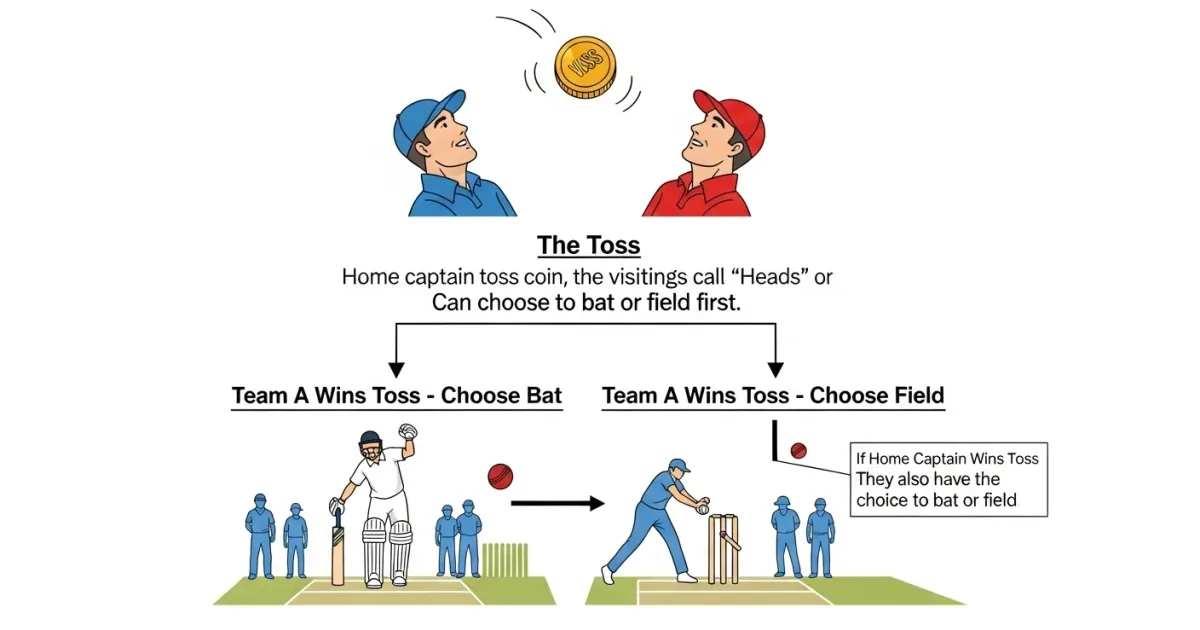
In the extensive lexicon of sports betting, few concepts are surrounded by as much mythology, unverified "prediction hacks," and commercial misinformation as the cricket coin toss. Across social media groups and messaging channels in Bangladesh, self-proclaimed pundits frequently advertise "100% Guaranteed Toss Prediction Tricks" or claim to possess "exclusive insider signals" revealing whether a captain will call heads or tails.
From a mathematical and physical perspective, the outcome of a coin toss is the purest definition of an independent, 50/50 random event. No human being, algorithm, or analytical model can predict which side of a physical coin will land face-up.
However, while predicting the physical coin flip itself is impossible, analyzing the tactical consequences of the toss outcome is one of the most powerful and profitable skills a sports analyst can master.
In subcontinental cricket—particularly across day-night fixtures in Bangladesh, India, and the UAE—the decision made by the winning captain (whether to bat first or bowl first) directly influences pitch degradation, evening dew interference, bowler grip, and overall match win probability.
This comprehensive guide, authored by senior sports analyst Shakib Al-Amin, demystifies the coin toss. We expose the mathematical fallacy of toss prediction tricks, analyze how heavy evening dew transforms chasing dynamics across South Asian grounds, and provide an actionable framework for executing tactical bets immediately following the toss.
The Mathematical Reality: The 50/50 Independence Rule
Before discussing tactical betting strategy, every player must internalize the fundamental physical reality of the coin toss:
The Coin Has No Memory (Independent Events)
A standard coin toss executed by match referees using certified ICC coins is governed entirely by physical aerodynamics and random tumbling:
- The Probability: The mathematical probability of landing Heads is exactly 50.0% (1 in 2), and Tails is exactly 50.0% (1 in 2).
- The Gambler's Fallacy: If a team captain calls "Heads" and loses five consecutive coin tosses in a tournament, the probability of "Heads" appearing on the sixth toss remains exactly 50%. Coins possess no historical memory. Believing that an outcome is "due" to happen is a psychological illusion that leads to reckless betting.
- Bookmaker Margins on Toss Markets: Commercial sportsbooks frequently offer a "Toss Winner" market, pricing both teams at decimal odds of 1.90 or 1.91. In a pure 50/50 probability event, fair odds without bookmaker commission are exactly 2.00. Wagering on the toss itself means you are voluntarily paying a 5% bookmaker commission on a pure coin flip, which is mathematically disadvantageous over the long run.
The True Tactical Value: What Happens AFTER the Coin Lands
The real value of the toss lies not in wagering on the flip itself, but in observing the captain's decision and adjusting your match-winner, session-run, and player-proposition wagers accordingly:
The Critical Distinction: Batting First vs Chasing
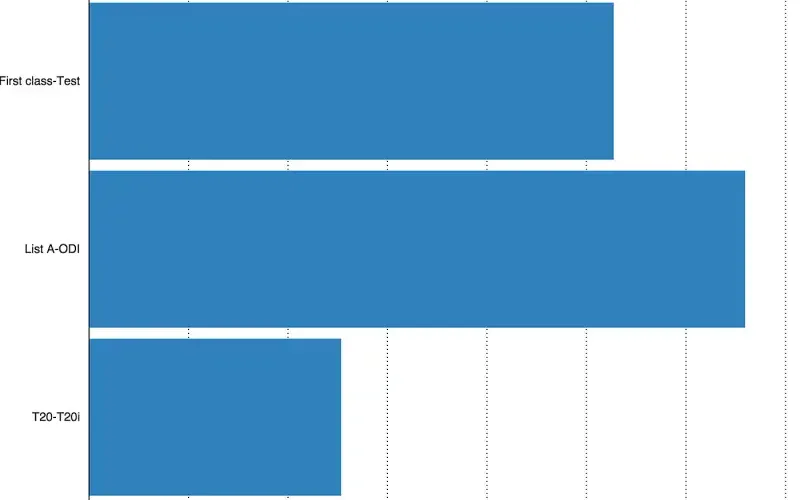
When the winning captain announces "We are going to bowl first" or "We are going to bat first," they are responding to specific environmental and pitch conditions. Understanding the tactical reasoning behind their decision allows you to anticipate match flow:
[ COIN TOSS RESULT ]
│
┌───────────────────┴───────────────────â”
â–¼ â–¼
[ Daytime Match ] [ Day-Night Match ]
(Pitch Dries, Cracks, (Evening Dew Settles,
Spinners Dominate Later) Outfield Wet, Ball Skids)
│ │
â–¼ â–¼
Advantage: Bat First Advantage: Bowl First (Chase)
The Heavy Evening Dew Factor: The Decisive Variable in South Asia
In subcontinental day-night fixtures played between October and March—including the Bangladesh Premier League, the Indian Premier League, and bilateral international series—the evening dew factor is frequently the single most decisive variable of the entire match:
The Physics of Dew Formation
In coastal and river-basin environments (such as Dhaka, Chattogram, Sylhet, Mumbai, and Kolkata), relative atmospheric humidity rises dramatically as the sun sets. When ambient air temperature cools to the "dew point" (typically between 7:30 PM and 8:30 PM local time), water vapor condenses directly onto blades of grass, turning outfields into saturated, slick surfaces.
How Dew Cripples Bowling Attacks in the Second Innings
When a team is forced to defend a target under heavy evening dew, their bowlers and fielders operate under severe physical handicaps:
- Complete Loss of Seam and Ball Grip: The leather ball becomes wet, slippery, and heavy. Fast bowlers struggle to maintain control, leading to erratic beamers, accidental full tosses, and frequent boundary deliveries.
- Neutralization of Spin: Finger spinners and wrist spinners rely on friction between their fingers and the ball seam to impart revolutions. A wet ball simply slips through the fingers without spinning, eliminating turn, drift, and bounce.
- Outfield Acceleration: Wet grass acts as a lubricant. Ground balls that would ordinarily be stopped by outfielders skid rapidly past diving fielders and accelerate across the boundary rope for four runs.
- Statistical Chasing Dominance: At grounds heavily affected by winter dew, teams chasing targets in evening matches win at an astonishing rate of 68% to 75%, regardless of whether the first-innings target appeared formidable on paper.
Day Match vs Night Match Dynamics in Bangladesh
In domestic tournaments like the BPL, matches are divided into afternoon fixtures (commencing at 1:30 PM) and evening fixtures (commencing at 6:30 PM). The tactical impact of the toss changes completely between these two windows:
Afternoon Matches (1:30 PM Start): Batting First Advantage
In daytime fixtures under bright sunshine, pitch and environmental dynamics are the exact reverse of night games:
- Pitch Degradation: Under direct subcontinental sunlight, moisture in the pitch evaporates rapidly. By the second innings, the surface dries, cracks open, and the pitch slows down significantly.
- Spin and Reverse Swing: Spinners find increasing purchase, and the dry, abrasive surface scuffs the leather ball, generating conventional and reverse swing for pace bowlers.
- Tactical Action: Teams winning the toss in afternoon matches almost invariably bat first, aiming to post 150 to 160 runs and allowing their spin attack to suffocate the chasing side on a deteriorating, sluggish surface.
Night Matches (6:30 PM Start): Chasing Advantage
In evening fixtures, sunlight is absent, temperatures fall, and dew arrives mid-match:
- Tactical Action: Teams winning the toss almost universally bowl first, knowing that defending any total with a wet ball in the second innings is exceptionally difficult.
Actionable Betting Strategies to Deploy Immediately After the Toss
Rather than placing bets hours before the game, disciplined analysts wait until the toss is completed (approximately 30 minutes before the opening ball) and execute the following tactical strategies:
The "Toss-Induced Favorite" Mispricing
When a pre-match favorite loses the toss and is forced to bat first under conditions that strongly favor chasing, bookmaker algorithms often take time to recalibrate their baseline odds.
- If an underdog with a powerful chasing lineup wins the toss and chooses to bowl first at a dew-heavy venue like Sylhet or Wankhede, their live win probability increases substantially.
- Backing the underdog or taking a positive Asian Handicap run line immediately after the toss outcome often captures exceptional value before the broader market adjusts.
Recalibrating Powerplay and Boundary Lines
Review the playing conditions established by the toss:
- If a team is batting first in heavy afternoon humidity with dense cloud cover, new ball swing will be pronounced. Look to take the "Under" on Powerplay Team Runs (overs 1 to 6) as opening batsmen struggle with moving deliveries.
- Conversely, if a team is chasing in an evening match under heavy dew, back the "Over" on Total Match Boundaries, knowing that fielders will struggle to grip and stop skidding balls.
Bowler Performance Props Adjustments
When selecting bowlers in "Top Team Wicket-Taker" or "Total Wickets" proposition markets:
- Downgrade spinners who are scheduled to bowl in the second innings of evening matches under heavy dew.
- Upgrade fast bowlers who bowl during the first innings with a dry ball, particularly those who deliver during the opening powerplay and death overs.
Exposing the Fraud of "Toss Prediction Hacks" on Social Media
We must reiterate a vital consumer protection warning for all sports fans in Bangladesh:
The Advance-Fee Telegram Scams
Dozens of Telegram and WhatsApp channels claim to sell "Inside Board Information" or "Ground Referee Toss Leaks" for 500 to 5,000 BDT via bKash.
- The Scam Mechanics: Fraudulent operators divide their subscribers into two groups: they message "Team A will win the toss" to Group 1, and "Team B will win the toss" to Group 2. By pure mathematical 50/50 probability, half of their audience receives a "correct" prediction, which the fraudster uses to claim they possess genuine inside leaks.
- The Cold Truth: The physical toss occurs live in the center of the pitch in full view of television cameras, match referees, and team captains seconds before it is announced. No one possesses advance leaks. Anyone asking for money in exchange for toss predictions is an anonymous fraudster.
Bankroll Discipline and Pre-Match Pacing
Observing the toss is an essential component of analytical match preparation, but it must be paired with strict personal discipline:
- Never Wager on the Pure Coin Flip: Avoid standard 50/50 "Toss Winner" markets where bookmaker commission margins penalize long-term balances.
- Wait for the Toss Before Staking: Make it an ironclad rule never to place your primary match-winner wagers until the toss has been conducted and official starting lineups are confirmed.
- Adhere to the 1% Staking Rule: Never risk more than 1% to 2% of your designated leisure bankroll on any single cricket fixture, regardless of how favorable the toss outcome appears. Review our Responsible Gaming Policy to set hard deposit limits.