

Asia Cup Betting Guide: Subcontinental Rivalries, Tournament Dynamics, and Tactical Odds
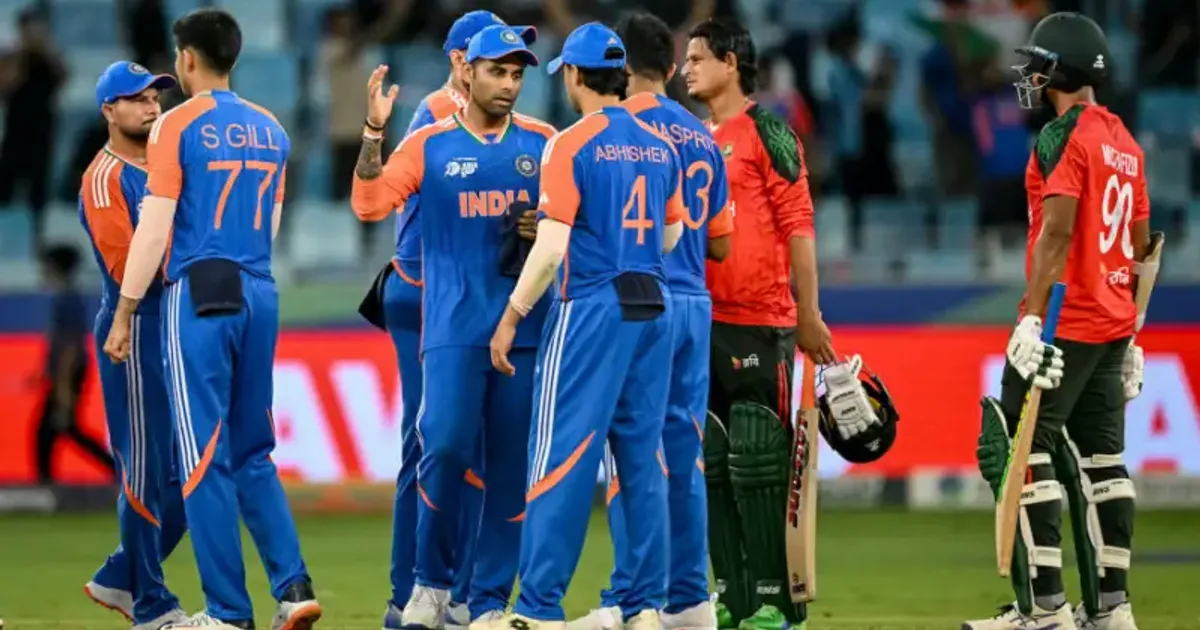
In international cricket, few competitions generate the raw passion, intense emotional investment, and viewership density of the Asia Cup. Bringing together the premier cricketing nations of the subcontinent—Bangladesh, India, Pakistan, Sri Lanka, and Afghanistan—alongside qualifying associate teams, the tournament serves as the ultimate regional proving ground. Across Bangladesh, every edition sparks massive public engagement, with fans packing tea stalls, living rooms, and public screening plazas to follow the Tigers' quest for continental supremacy.
From an analytical sports wagering perspective, the Asia Cup represents one of the most tactical, nuanced tournaments in the global calendar. Unlike global competitions where teams travel across unfamiliar foreign continents, the Asia Cup is contested on familiar subcontinental turf (typically hosted across Bangladesh, Sri Lanka, Pakistan, or the UAE).
The participating teams possess intimate, exhaustive knowledge of each other’s players, squad compositions, and tactical tendencies, creating ultra-tight competitive margins where microscopic details dictate match outcomes.
This comprehensive guide, authored by veteran sports analyst Shakib Al-Amin, provides an analytical blueprint for wagering on the Asia Cup from Bangladesh. We examine the rotating tournament formats (ODI vs T20), analyze subcontinental pitch wear and spin metrics, evaluate intense regional rivalry dynamics, break down core betting markets, and outline disciplined bankroll safeguards.
Tournament Structure: Format Rotation and Multi-Stage Progression
A unique feature of the Asia Cup that every sports bettor must understand is its rotating tournament format:
The Format Alternation Rule (ODI vs T20I)
To align with the international cricket calendar, the Asian Cricket Council (ACC) alternates the playing format of the Asia Cup based on the upcoming ICC global event:
- When preceding an ICC Men's Cricket World Cup, the Asia Cup is contested in the 50-over One Day International (ODI) format.
- When preceding an ICC T20 World Cup, the tournament transitions into the Twenty20 International (T20I) format.
- Wagering Implication: Pacing and tactical baselines change entirely between formats. In 50-over ODI matches, middle-overs consolidation (overs 11 to 40), rotational strike farming, and deep batting stamina are paramount. In 20-over T20 editions, aggressive powerplay maximization, high-risk boundary hitting, and death-overs execution dictate win probabilities. Always verify the tournament format before applying historical scoring models.
Multi-Stage Tournament Architecture
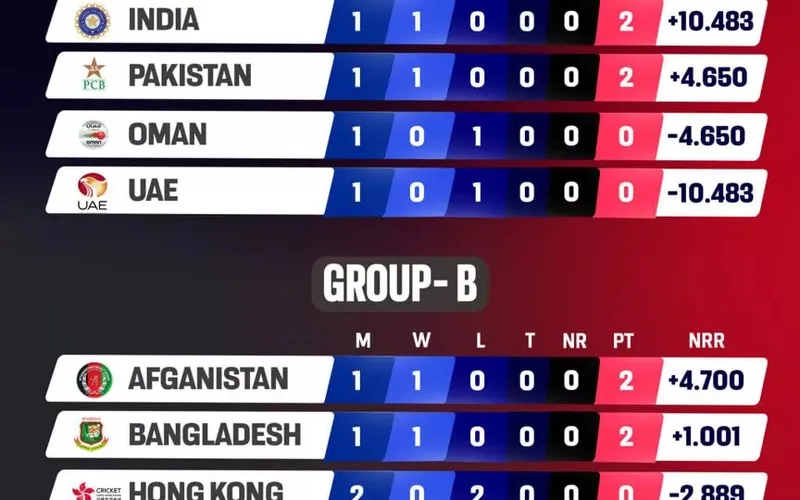
The tournament typically features six nations divided into two opening groups of three:
- Group Stage: The top two teams from each group advance, while the bottom team is eliminated.
- Super Four Stage: The four advancing nations play a round-robin schedule (three matches each), accumulating points to determine the top two finalists.
- The Final: A single-elimination championship match.
Subcontinental Pitch Wear: Spin Metrics and Deteriorating Surfaces
Because Asia Cup tournaments are hosted across a small cluster of stadiums over a compact two-to-three-week window, pitch wear is a massive analytical variable:
Multi-Match Pitch Re-Use
Unlike bilateral series where fresh pitches are prepared for individual matches, major multi-team tournaments frequently stage consecutive games on the same physical pitch square or adjacent strips:
- The Wear Cycle: In venues like the R. Premadasa Stadium in Colombo, the Dubai International Stadium, or the Sher-e-Bangla Stadium in Mirpur, pitches that have hosted two or three matches become abrasive, dry, and cracked.
- Spin Dominance: Finger spinners and wrist spinners extract pronounced turn, variable bounce, and natural puffing of soil. Fast bowlers are forced to rely almost entirely on cutters, slower balls, and reverse swing.
- Scoring Decline: In 50-over matches, winning totals on worn pitches frequently decline from 280+ runs in the tournament opening week to 210 to 230 runs during the Super Four stage. Bettors who identify heavily used pitches can find outstanding value on the "Under" in total match run lines.
Deconstructing Regional Rivalry Dynamics
The Asia Cup is defined by fierce, historically charged regional rivalries that introduce intense psychological pressure:
Bangladesh vs Sri Lanka (The "Naagin Derby")
In recent years, encounters between Bangladesh and Sri Lanka have developed into one of the most fiercely contested, emotionally volatile rivalries in world cricket:
- Tactical Parity: Matches between these two nations are frequently decided by fewer than 10 runs or in the final over.
- Live Odds Volatility: Momentum swings violently. Backing the chasing side during middle-overs dips frequently yields exceptional in-play odds, as neither team rarely surrenders without a late-innings fightback.
India vs Pakistan (Global High-Pressure Spectacle)
The marquee fixture of the tournament commands global viewership and immense betting volume:
- Pace Attack vs Elite Top Order: The tactical battle invariably pits Pakistan’s high-velocity fast bowling attack (capable of swinging the new ball at 145+ km/h) against India’s formidable top-order batting lineup.
- Powerplay Fragility: The opening six overs frequently determine the trajectory of the entire match. If Pakistan claims early top-order wickets, Indian scoring rates slow dramatically; if India’s openers survive the initial pace blitz, middle-overs totals accelerate rapidly.
The Rise of Afghanistan: The Spin Danger
Afghanistan is no longer an emerging underdog—in subcontinental conditions, their bowling attack is one of the most dangerous in world cricket:
- World-Class Spin Triad: Led by elite wrist spinners and mystery spinners, Afghanistan can choke the run rates of any batting lineup on turning tracks.
- Underdog Value: Sportsbooks occasionally price Afghanistan at inflated underdog odds (e.g., 2.50 to 3.20) when facing traditional giants, presenting outstanding value in low-scoring, spin-friendly conditions.
Core Asia Cup Betting Markets Explained
Navigating the sportsbook during the Asia Cup requires targeting markets where tactical knowledge provides an edge over generic bookmaker algorithms:
Match Winner (Outright Head-to-Head)
The primary two-way market. In group-stage matches involving associate qualifiers, favorites often trade at unbettable odds (e.g., 1.08). However, in Super Four clashes, odds parity (e.g., 1.80 vs 2.05) provides excellent value for disciplined pre-match preparation.
Top Team Wicket-Taker
Wagering on which bowler will claim the most wickets for their respective team during the match:
- On worn, dry subcontinental surfaces, focus heavily on premier spinners who bowl during the middle and late overs. Batsmen attempting to force the scoring rate against turning balls frequently hole out to long-on and deep mid-wicket.
Player Performance Points (Proposition Wagers)
Many modern sportsbooks offer lines on individual player performance points (1 point per run, 10 per catch, 20 per wicket):
- The All-Rounder Edge: Subcontinental conditions heavily favor genuine all-rounders who bowl four to ten overs of spin and bat in the top six (such as Shakib Al Hasan, Hardik Pandya, or Wanindu Hasaranga). Their dual-discipline contribution frequently clears player performance point lines regardless of whether their team wins the match.
Tournament Outright Winner (Futures Market)
Wagering on which nation will lift the Asia Cup trophy:
- The Super Four Hedge: Backing an in-form team prior to the Super Four stage allows you to secure favorable odds before the final two contenders are locked in, enabling you to hedge your position during the final match for guaranteed profit.
In-Play Live Betting Tactics for the Asia Cup
Live in-play betting accounts for the vast majority of Asia Cup wagering volume. To trade in-play markets effectively, apply these proven tactics:
The Post-Powerplay Spin Squeeze
When fielding restrictions lift at the end of the powerplay (over 6 in T20s, over 10 in ODIs), subcontinental captains immediately introduce spin from both ends:
- Run rates almost universally experience a sharp temporary decline between overs 7 and 12 as batsmen adjust to the slower pace of the ball.
- Bookmaker over/under lines frequently project final scores based on early powerplay momentum. Taking the "Under" on team run totals during the transitional middle overs often captures excellent value before the market adjusts.
Factoring in Coastal Evening Dew
In venues like Dubai, Sharjah, or Colombo, coastal humidity brings heavy evening dew in the second innings:
- The wet ball neutralizes spin and makes seam control difficult for pace bowlers.
- Always observe the coin toss. If a team with strong chasing pedigree wins the toss and chooses to bowl first in a dew-affected venue, their live in-play win probability is significantly higher than pre-match baseline odds suggest.
Bankroll Discipline and Avoiding Emotional Wagering
The intense emotional resonance of the Asia Cup makes disciplined bankroll management vital for Bangladeshi players:
The Strict Neutrality Mandate
Cheering for the Bangladesh national team is an integral part of our sporting culture, but wagering with nationalistic pride rather than cold analytical logic is the single fastest way to deplete your entertainment funds.
- The Rule: If you cannot evaluate a match involving Bangladesh with absolute, dispassionate objectivity, do not bet on that match. Enjoy the contest purely as a supporter.
The 1% Unit Staking Rule
A typical Asia Cup spans two to three weeks with matches occurring almost every day:
- Establish a dedicated tournament entertainment budget that is completely separate from your living expenses, rent, or savings.
- Divide your bankroll into 100 equal units (1 unit = 1% of total capital). Risk no more than 1 unit per match, and never increase your wager size after a loss in an attempt to recover funds quickly. Review our Responsible Gaming Policy to set hard deposit limits before opening match day.